

What is Arneis?
Italy’s little rascal, now grown in the Southern Highlands, NSW
Arneis is one of Italy’s most ancient white grape varieties once nearly extinct, still exceptionally rare in Australia, and genuinely unlike anything else you will find in a wine glass right now. Here is everything you need to know.
What is Arneis wine?
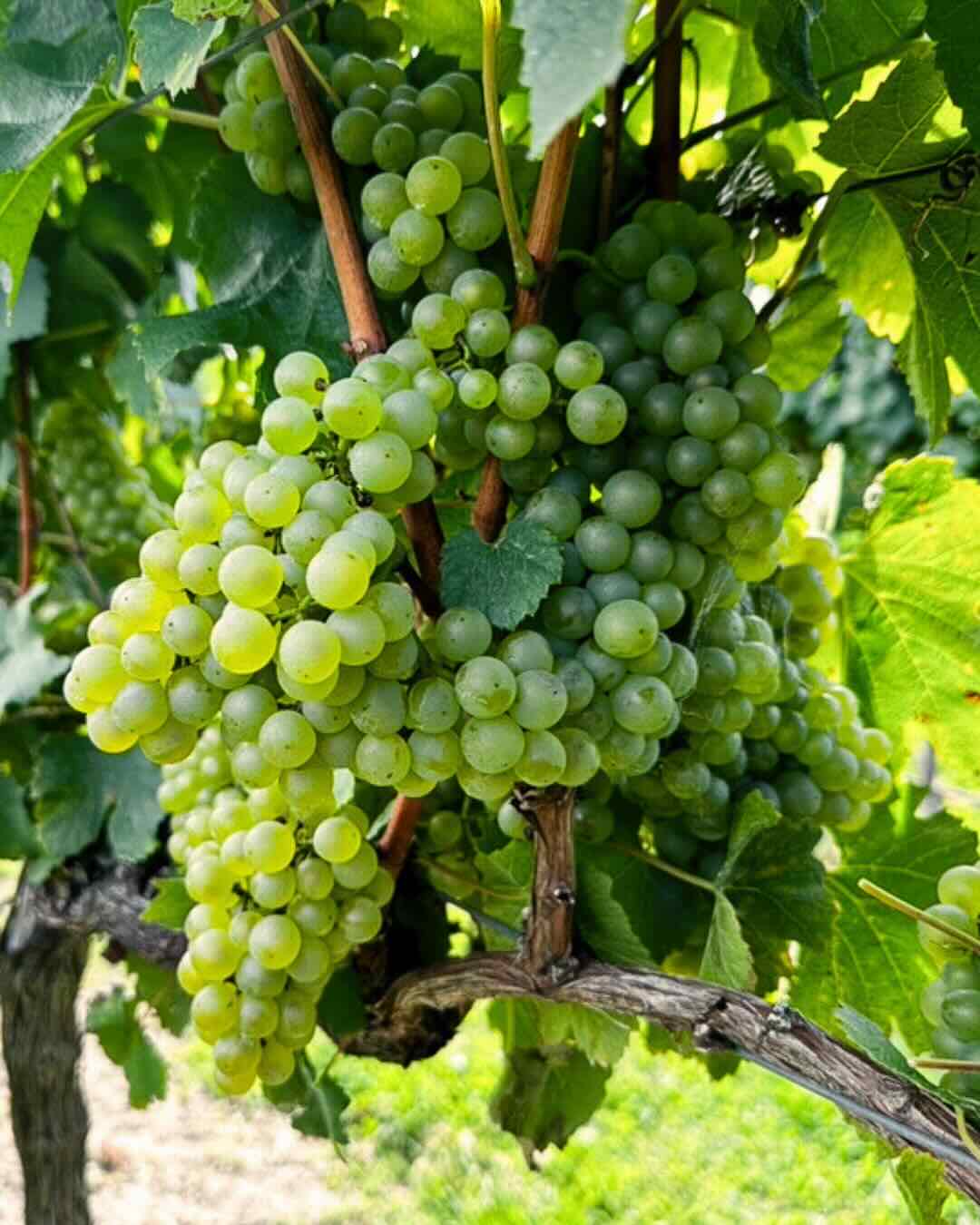
Arneis (pronounced ar-NAYZ) is a white wine grape variety native to the Langhe hills of Piedmont in northern Italy. The name translates roughly to “little rascal” in the local Piemontese dialect, a reference to its historically difficult behaviour in the vineyard. Arneis ripens early, is susceptible to oxidation and was notoriously tricky to vinify before modern winemaking techniques made it more manageable.
Despite these challenges, Arneis produces a wine of remarkable elegance: aromatic, medium-bodied and food-friendly, with a natural freshness that makes it one of the most versatile whites you can pour. In Australia, it remains genuinely rare. Only a small handful of producers grow it, and fewer still produce a single vineyard expression.
The History of Arneis
Arneis has been grown for centuries in the Langhe hills of Piedmont primarily as a blending component, used to soften the tannins of Nebbiolo. By the 1970s, it had nearly vanished entirely. Its revival came through pioneering Piedmontese producers who recognised its potential as a single varietal, and today it is celebrated as one of Piedmont’s most important white grapes.
What does Arneis taste like? Tasting Notes
Arneis is known for its aromatic lift and elegant, food-friendly palate. It is not a big, oaky white it is the kind of wine that rewards attention, revealing layers of fragrance and a clean, persistent finish.
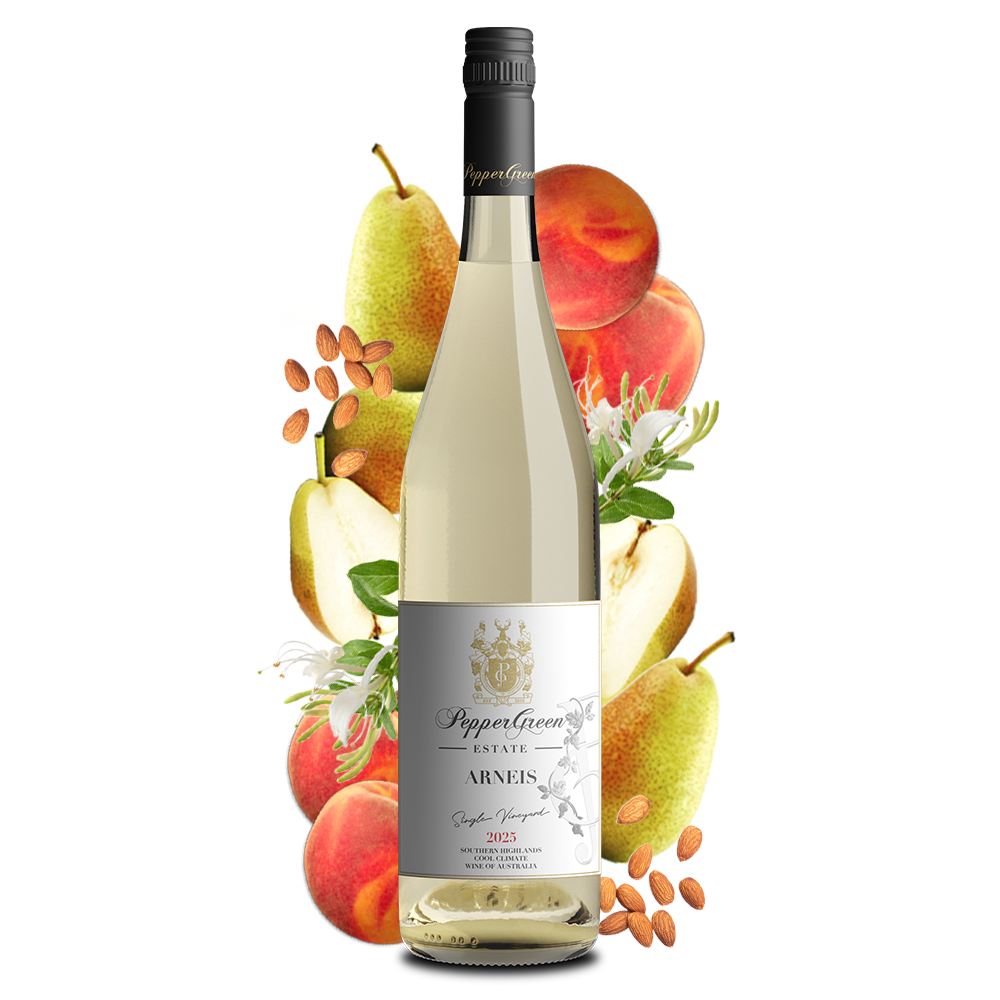
Typical Arneis Flavour Profile
Across all expressions, Arneis tends to show a consistent aromatic signature: white florals (honeysuckle, jasmine), stone fruits (white peach, nectarine, pear) and a characteristic almond note on the finish.
The palate is typically medium-bodied with moderate acidity fresh but not sharp. Arneis is unoaked in most expressions, which preserves its natural aromatics. Best enjoyed young, within two to three years of vintage.
What food pairs well with Arneis?
One of Arneis’s great strengths is its natural food-friendliness. Its freshness and aromatic lift complement a wide range of dishes, particularly those with a little richness, creaminess or Italian influence.
Seafood
Seared scallops, grilled prawns, steamed mussels, crumbed whiting
Pasta and Risotto
Creamy risotto, crab linguine, mushroom pasta, gnocchi with sage butter
Cheese
Buffalo mozzarella, young pecorino, mild goat’s cheese, burrata
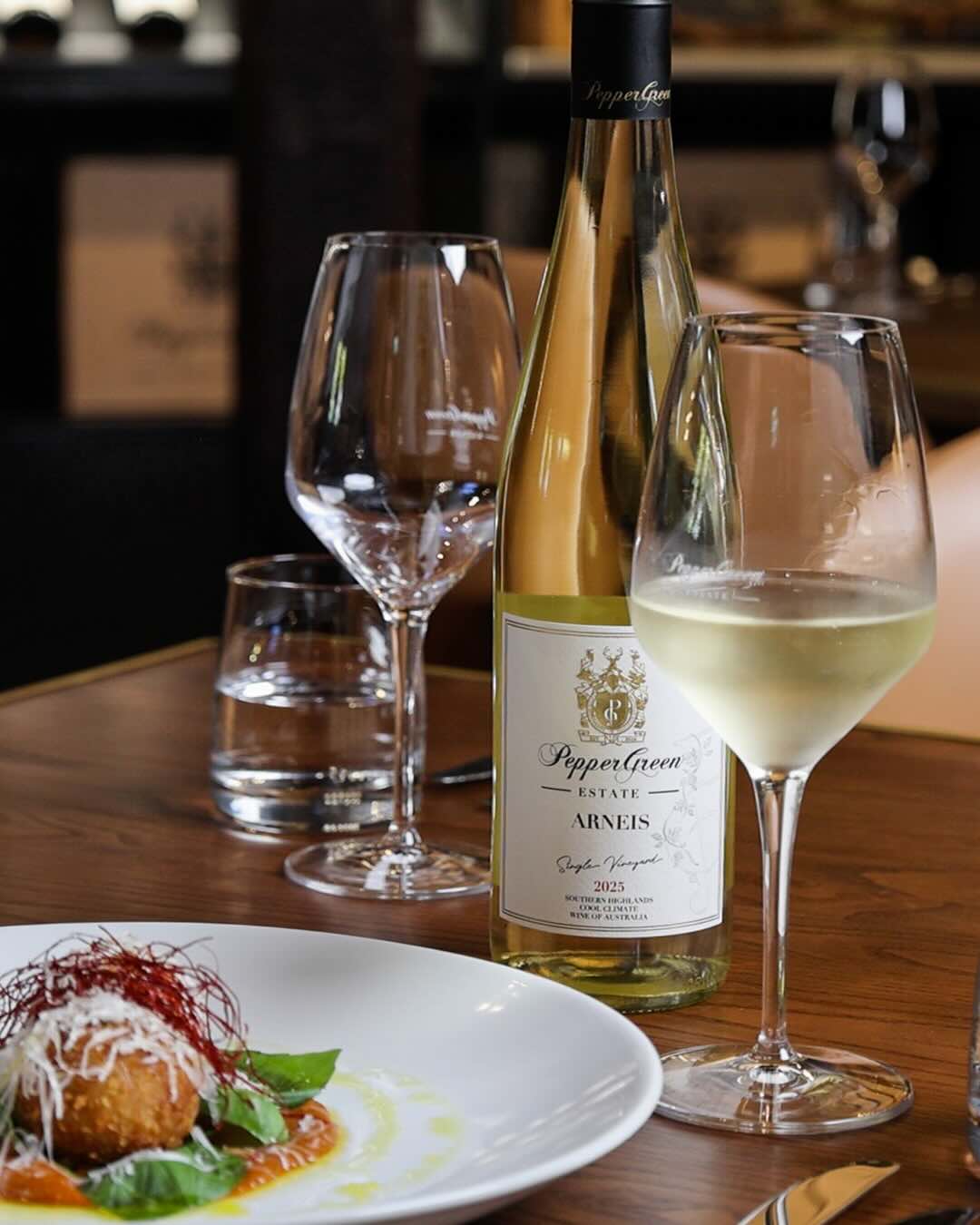
In Our Tasting Room
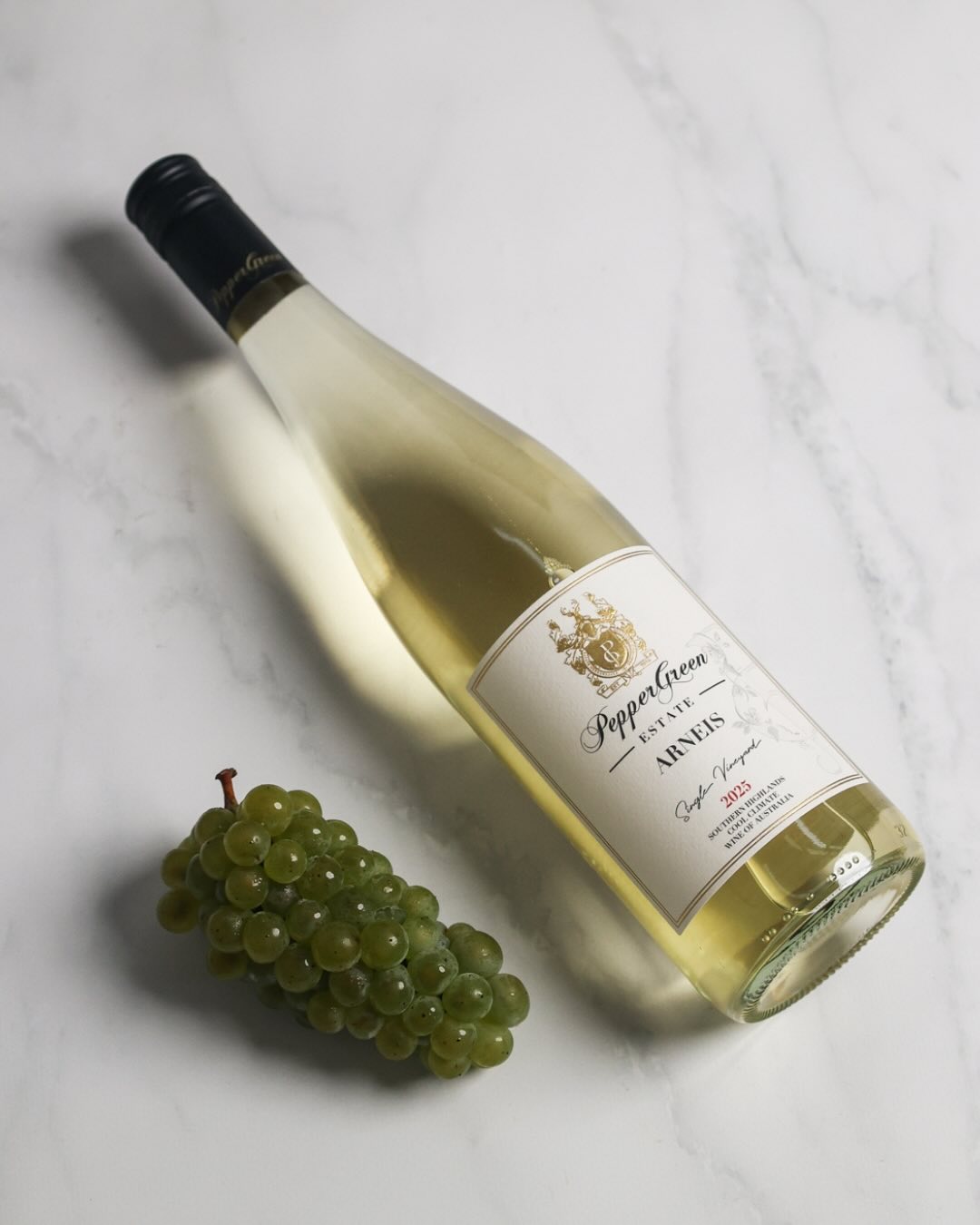
We have paired the 2025 Arneis with sundried tomato and basil arancini with tomato sugo and grated Reggiano Parmesan. The wine’s acidity cuts through the richness of the Parmesan, while its aromatic lift complements the basil and tomato beautifully.
Come and experience it for yourself, Wednesday to Monday.
Why We Grow Arneis in the Southern Highlands, NSW
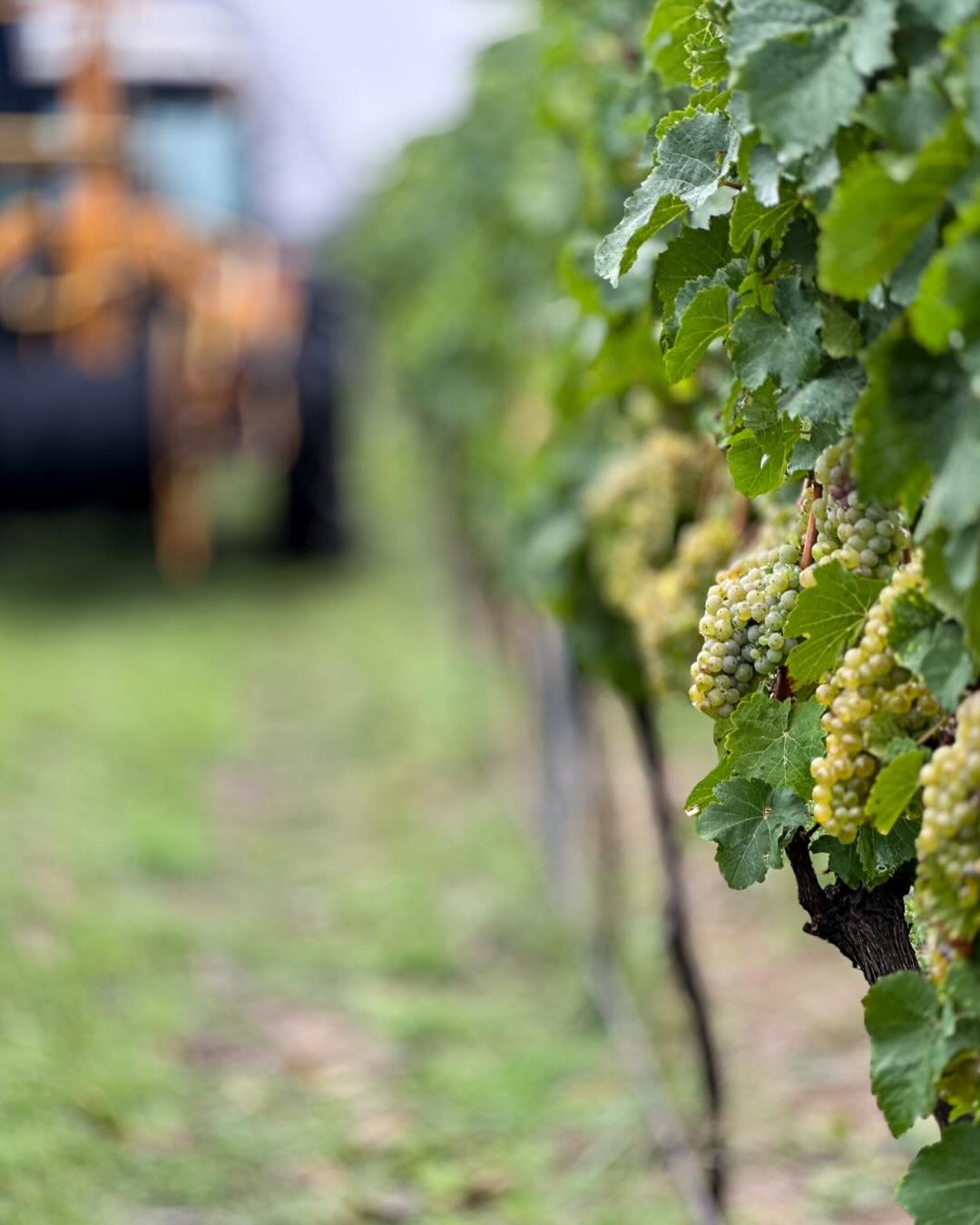
PepperGreen Estate is located in Canyonleigh in the Southern Highlands of NSW, approximately 1.5 hours south-west of Sydney. We sit at 750 metres above sea level, an elevation that creates the kind of cool, alpine-influenced growing conditions that are rare in Australian winemaking.
Those conditions are remarkably well-suited to Arneis. The warm days, cool nights preserve the variety’s delicate aromatics and maintain the natural acidity that gives Arneis its characteristic freshness. In this sense, Canyonleigh mirrors the conditions of Piedmont far more closely than many other Australian wine regions.
The Southern Highlands wine region has developed a strong reputation for elegant cool-climate whites over the past decade. Growing Arneis here is a deliberate choice we believe cool-climate single vineyard winemaking is where our greatest potential lies.